reflection:
An Alchemical Recipe for Writing Your Book
Naomi Rose, Book Developer & Creative Midwife
an alchemical recipe for writing your book
An inspiring week of inspired writing.
This recipe always works, if you add the essential ingredient:
YOU.
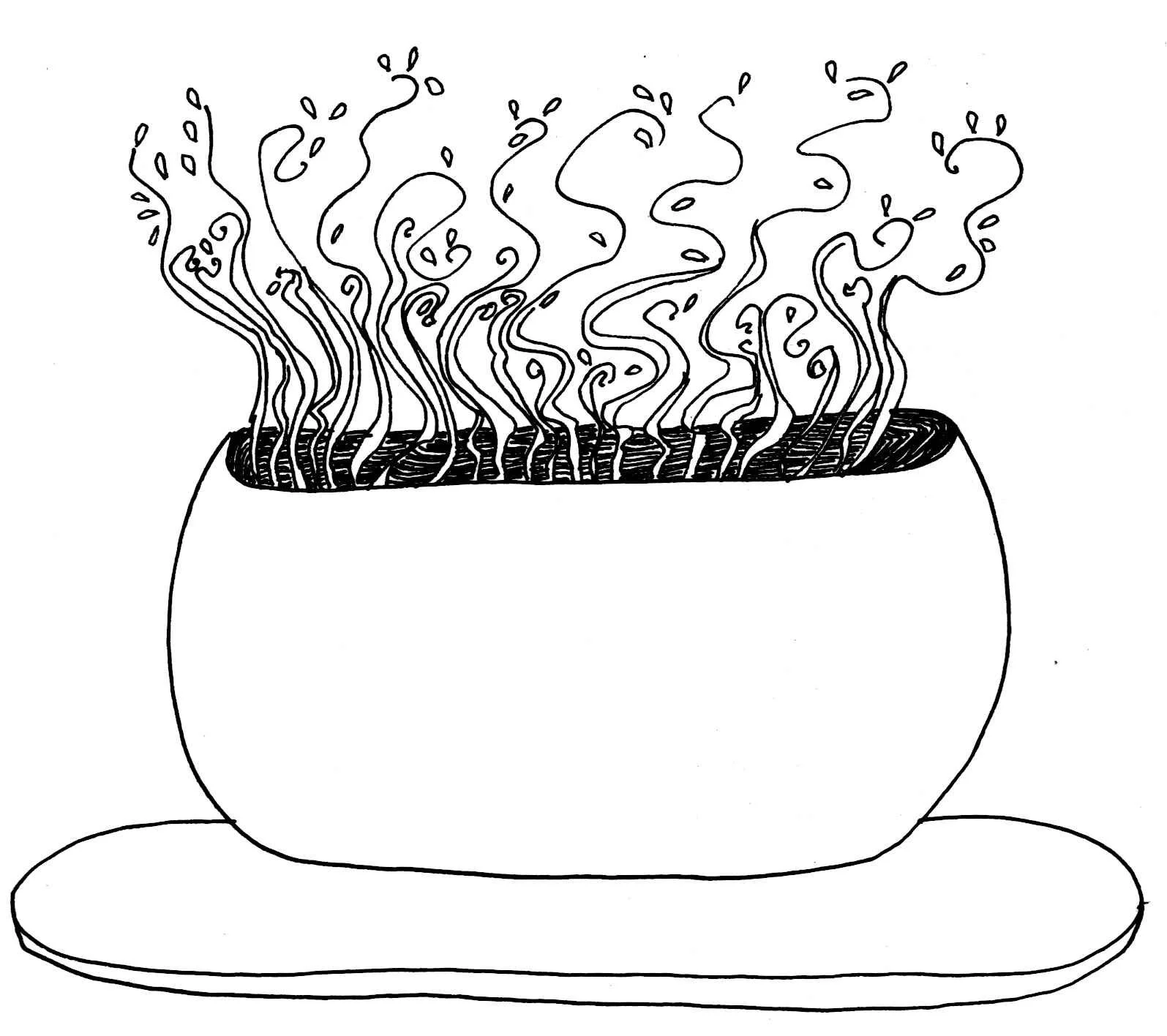
This is a recipe, of sorts, to get your juices flowing for the book writing that’s been calling you to it.
I know cooks who swear by having a recipe to follow, which they do the the letter. I’ve done that too. But what I really enjoy most is seeing what ingredients I have on hand, and then putting them together in an appealing way. This has been the source of such repasts as my beet-kale-yogurt smoothie . . . pasta with sauteed onions, garlic, tomatoes, and leftover chicken broth . . . and other lone ingredients that have found kinship by being brought unexpectedly together. And I like to use this “non-method” when I can in book writing, or at least to use portions of it.
But there are times when only a recipe will do. If you want to make bread, for example, you can’t substitute brewer’s yeast for the kind of yeast that makes dough rise. You need to have the right ingredients in exact proportions, and add them in the right order, mixing or stirring or kneading as advised.
So here is a “recipe” for book writing, which you can follow to the letter or improvise with as you are called to. It takes a week to get your book started. After that, the book itself may tell you how to proceed.
Ingredients:
Pen and paper, computer, or some other way of transferring what’s inside you to the page
An object or two that remind you of the sacred place inside you (e.g., a candle, incense, a tuning fork, etc.)
A one-pointed focus that’s not committed to anything else for a period of time.
DAY 1
Today, you’ll be combining the ingredients and inducing the leavening process.
Find a time and place where you won’t be disturbed. You may wish to sacralize your intention by lighting a candle, burning incense, singing a song, or whatever works for you to make this a sacred space and time.
Close your eyes. Take 3 deep breaths. Notice how your breath gives itself to you. You don’t have to make breathing happen.
Bring your attention to your heart, in the center of your chest. It may help to place your hands there. Breathe into your hands, then into your heart. Notice the rhythm of your heartbeat. Allow this to be all that you are concentrating on
Bring the subject of your writing (as best you currently know it) to your heart. Ask, “Give me your impressions, your guidance. What do you want me to know about this?”
Take some time to listen.
When something comes to your awareness (it can be the least little thing, like someone clearing their throat before starting to speak), open your eyes but keep them soft; just enough to see.
Pick up your pen (or place your fingers on the computer’s keyboard). Keeping your attention on your heart, write what comes to you.
Write until you are complete for now. When you feel like you have come to the end of that connection for now (that is, to write more would be forcing things), stop.
Give thanks for being available, for receiving from your heart. (There’s no need to evaluable what you wrote, at this point.)
Put the writing away for 3 days. It needs time to cook. Go about your life.
DAY 2
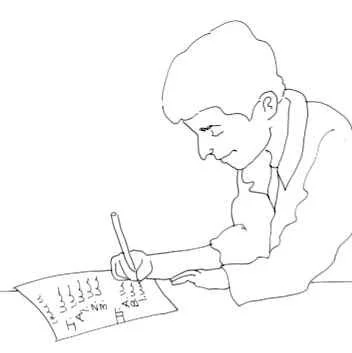
Today, you won’t set out to write,
but you will make yourself available to receive and jot down anything that gives itself to you on its own.
This may happen at home, or while you’re out — e.g., on line at the grocery store, or while driving your car. Jot at red lights only!
Carry a small, manual notebook and a pen or pencil with you as you go through your day. It’s important to have a hands-on way of doing this. Don’t use your phone for this purpose.
If something alights in your awareness of its own accord (that is you’re not trying to make anything happen) that’s related to the subject you wrote about on Day 1, write it down.
o Don’t embellish it. Just write what comes. Leave nothing out. Add nothing extra in. You want to have the experience of allowing and receiving, not of forcing.
o If additional insights come as a spinoff, write that down too. Just indicate that this is something you have made of what came spontaneously (e.g., you can note “Additional” or “Spinoff” or something like that). This is because it’s important to be able to discern what you do with what’s given vs. when the ego is getting into the act. (Both are fine, but it’s extraordinarily helpful to be able to tell the difference—and to activate one over the other.)
3. At home, put your notes into a loose-leaf binder, or a special box.
4. Leave them there.

DAY 3
Repeat from Day 2.
DAY 4
Here, you will read what you wrote on Day 1.
Sacralize the space however you like. Take 3 deep breaths. Notice that you are being given breath.
Take out what you wrote on Day 1. Enough time has now passed that you can see what’s on the page with curiosity and some objectivity. Read over what you wrote for this purpose only:
Ask yourself, “What interests me in this? What’s alive for me? What can I relate to, here?” This is the only thing you are looking for. Highlight those places in the writing by circling them (if on paper) or boldfacing them (if on computer).
Then ask yourself, “What wants to follow from this?” Allow your heart to take the lead. See what comes into your mind. Whatever it is, follow it with your pen (or keyboard) without judgment. Just make sure you are connected to what you write. If you find yourself just writing words that you don’t feel a connection to, stop. Re-read what you wrote on Day 1. Ask yourself again, “What interests me in this? What’s alive for me? What can I relate to, here?”
It’s essential that you feel a connection to what’s on the page, because this indicates that you had a connection to yourself when you wrote it. This connection will also reverberate in your readers down the road. It all starts with your own connection.
The “magic ingredient” is your presence.
3. Keep writing until you come to an organic stopping place.
4. Put the writing down. Go about your life.

DAY 6
Explore what you have written, analytically.
Today, make space for an exploration of your writing. Clear a stretch of time. Find an uninterruptable space (in your environment, and within yourself). Gather your materials together: notebook, pen or pencil, keyboard; special box or binder; candle, incense, whatever else you need.
Today, you will start putting things together, paying attention to the direction your writing is leading you.
Read what’s there: in your writing, in your notes.
Now’s the time to bring in your analytical mind. Ask yourself, “What is this all about? What does it want to be? What form, what genre, what kind of exploration?”
Come up with questions, and note down the answers that come from within.
Let your analytical, comparing (not judging), categorizing / labeling / naming mind go to town. Have it work for you, to support, with clarity and structure and a walkable path, what your heart has given you.
It’s okay to try it one way and then another. Be aware, in all cases, of how you relate to each option. Don’t let your intellect take over. Have it serve your heart.
When you’ve done what you can for now, thank yourself and put the writing and notes away.

DAY 7
A day of rest and reflection.
Just like the Biblical “Day of Rest” on the seventh day, you can tell yourself about the past week’s work, “It was good.” Spend the day enjoying life, its small miracles as well as big events: how the light dapples the sidewalk by the tree branches, for instance.
And while you are putting your attention into repose and gratitude, your subconscious is cooking your writing. At some point, it will bring you wonderful fulfillments of your “cooking.” You can’t know just when or make it happen; but if you are attuned and available, you’ll be there to write it down.
The heart knows the way.

ready to add the essential ingredient - you - to your book-writing recipe?
If this stirs something in you, I'd be glad to explore it together with you.
You're warmly invited to a free 30-minute Discovery Call.
This is the end of the reflection, “An Alchemical Recipe for Writing Your Book.”
To return to the main REFLECTIONS page, click the link.
