ON READING & WRITING
naomi rose, book Developer & Creative Midwife
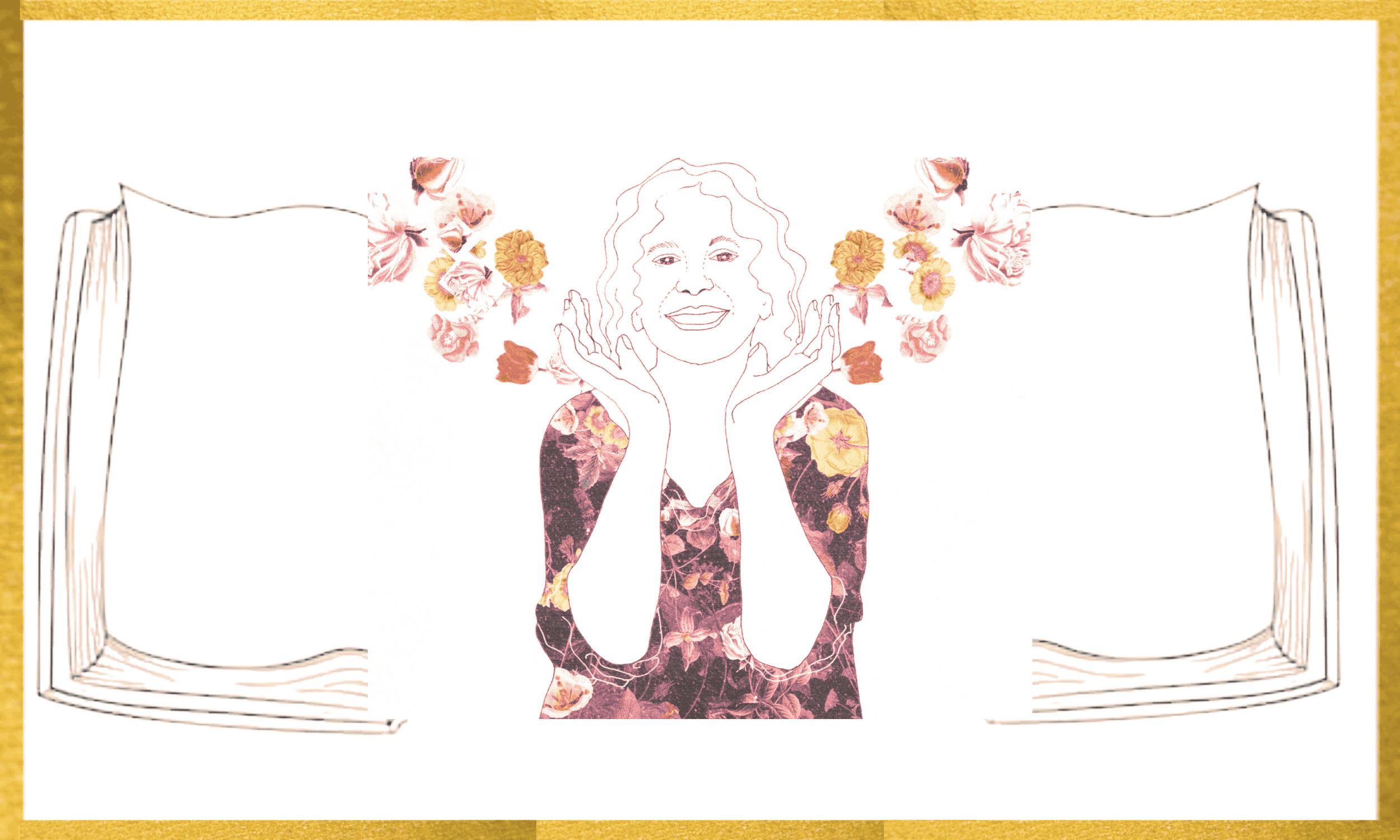
reading and writing are two halves of one breath
The books we take in shape the books we're able to give out — so part of tending your own deep writing is what you read, and how deeply you read it.
And so I want to offer you two doors into this landscape:
Recommended Books on Writing — superb books on writing that I recommend from personal experience.
Deep Reading for Deep Writers — reflections on reading deeply, and how that depth flows back into what you write.
The deeper you read, the more deeply your own writing can flower.
These are the pages/doorways. See which call to you, then click on the link below.
-

How to write a book: Inspiring resources & writing guidance
Some Superlative Writing Teachers Place Their Wisdom at Your Service
"You can make anything by writing." — C. S. Lewis
In the 1930s, Dorothea Brande wrote what would turn out to be a classic book, Becoming a Writer. In it, she says marvelous insightful things about, well, becoming a writer — including, but not limited to, separating your spontaneous subconscious mind from the “critic.” (Both are needed, but not at the same time.) This page explores and extols what she has to share with you for your own writing artistry.
Elizabeth Berg, a contemporary novelist with a large output of published books and (deservedly) a large following, also has wonderful things about writing to suggest, many of them quite inspiring. Always pointing in the direction of finding your authentic voice, she offers choice bits that can open doors for your authentic writing, many of these from her book Writing in the Open.
-
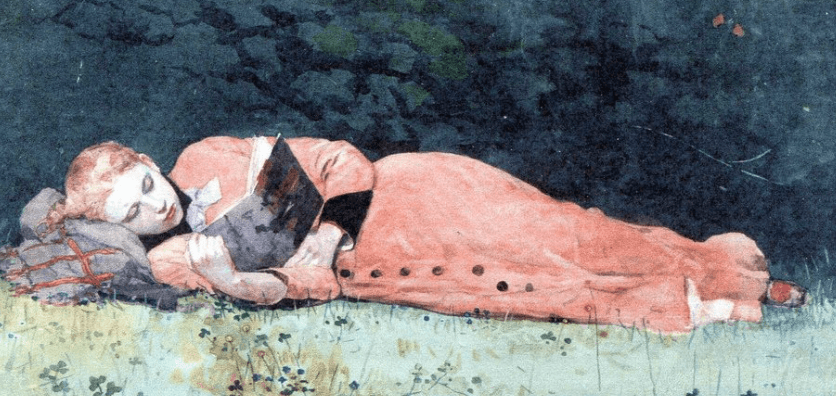
Deep reading for deep writers
A fascinating exploration of the history of reading, and what we modern-day readers on the Internet may be losing in terms of human intra- and inter-connection from doing so much of our reading on the Internet.
In the book “The Shallows: What the Internet Is Doing to Our Brain,” author Nicholas Carr’s premise is that with each innovation in mass communication — beginning with cuneiform writing on clay tablets in Sumeria — there have been gains, but also sometimes losses. This book charts the internal, attentional development of the human brain — and, inferentially, the human attention span, our ability for depth — through the changes in the communication formats of the time(s).
You probably never knew so much about the effects of superseding formats for reading over time, and what you may have gained — and lost. By opening to Carr’s research and conclusions, now you will.